
What Causes Sudden Acne Breakouts Even After Following a Routine?

You wash your face every morning, never skip your moisturiser, and stay far away from greasy foods — yet your skin still decides to stage a full revolt overnight. If sudden acne breakouts feel completely unfair, you are not imagining it. Breakouts can ambush even the most disciplined skincare routines, and understanding why is the first real step toward actually stopping them.
1. Stress Is Silently Wrecking Your Skin
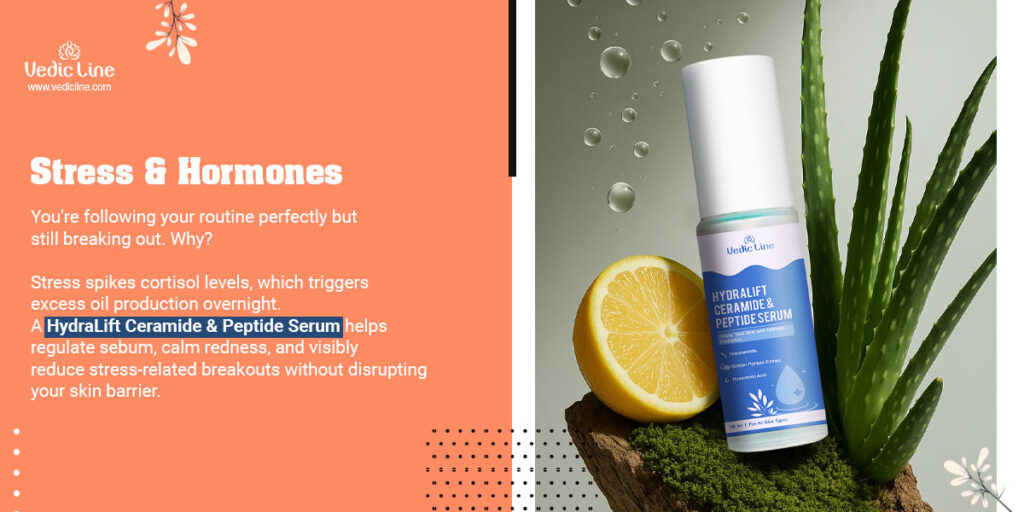
One of the most overlooked triggers of sudden acne breakouts is chronic stress. As soon as you feel overwhelmed, your body releases cortisol. As cortisol levels rise, sebaceous glands make more sebum – the natural oil your skin makes to keep itself moist. However, excessive sebum clogs pores and creates an ideal breeding ground for Cutibacterium acnes.
The tricky part is that stress-related breakouts often appear in places you are not used to — the jawline, neck, and chest — making them easy to dismiss as something else. If you notice your skin flaring up during exam season, project deadlines, or personal upheaval, stress is very likely the culprit, not your cleanser.
💡 Quick Tip: Adding just 10 minutes of daily breathwork or mindfulness has been shown to measurably lower cortisol levels, which can directly reduce stress-triggered sudden acne breakouts over time.
2. Hormonal Fluctuations Play a Bigger Role Than You Think
Even if you have long passed your teenage years, hormones continue to influence your skin throughout adulthood. Fluctuations in oestrogen and progesterone during menstrual cycles, pregnancy, perimenopause, or after stopping hormonal contraceptives can all trigger sudden acne breakouts with no warning. These breakouts typically cluster along the chin and lower cheeks — a pattern dermatologists call “hormonal acne.”
Men are not exempt either. Testosterone spikes from intense weightlifting, anabolic supplements, or even poor sleep can push sebum production into overdrive. If your breakouts follow a monthly cycle or coincide with major lifestyle changes, hormonal imbalance deserves serious attention.

3. Your Skincare Products May Be the Hidden Offender
Here is a frustrating paradox: the very products meant to care for your skin can trigger sudden acne breakouts. Certain ingredients — heavy silicones, coconut oil, lanolin, and some artificial fragrances — are comedogenic, meaning they block pores. If you recently switched to a new moisturiser, sunscreen, foundation, or even a new brand of laundry detergent, your skin may be reacting to one of these hidden irritants.
Common product-related culprits include:
- Comedogenic oils in moisturisers (coconut, cocoa butter, palm oil)
- Synthetic fragrances and perfume in cleansers or toners
- Heavy silicones in makeup primers and foundations
- Sulphates in shampoos that run down your face during a shower
- Expired products where preservatives have broken down
A patch test before fully introducing any new product is your first line of defence. Apply a small amount near the jawline for 48 hours before committing to full use.
4. Diet and Gut Health Are More Connected to Acne Than Labels Suggest
The relationship between diet and sudden acne breakouts is not as simple as “don’t eat chocolate.” Research now points to a stronger link between high-glycaemic foods — white bread, sugary beverages, processed snacks — and acne inflammation. These foods spike blood sugar rapidly, which in turn raises insulin levels. Insulin stimulates androgen hormones, which increase sebum production and trigger breakouts.
Dairy, particularly skimmed milk, has also been associated with acne in several studies due to the naturally occurring growth hormones present in cow’s milk. Additionally, an imbalanced gut microbiome can manifest outwardly as skin inflammation. If your diet has changed recently or you have taken antibiotics (which disrupt gut flora), your skin may reflect that internal imbalance through new breakouts.

5. Environmental and Lifestyle Triggers Nobody Warns You About
Even when your routine is flawless, your environment can undermine it. Pollution particles are small enough to settle into open pores and cause oxidative stress, leading to sudden acne breakouts, particularly around the forehead and nose. High humidity causes excess sweating, which mixes with skin bacteria and creates a perfect storm for back and chest acne.
Equally overlooked are contact surfaces: your pillowcase collects dead skin, oil, and hair product residue night after night; your phone screen presses against your cheek dozens of times a day; and touching your face absentmindedly deposits bacteria directly onto your skin. Changing pillowcases twice a week and wiping your phone screen daily are small habits with a measurable impact on breakout frequency.
6. Sleep Deprivation and Dehydration — Two Underrated Triggers
It disrupts the skin’s natural repair cycle when you don’t sleep well. Skin cell turnover is highest during deep sleep; without adequate rest, dead cells accumulate on the surface and block pores. Simultaneously, sleep deprivation raises cortisol (revisiting the stress-acne loop) and impairs the immune system’s ability to fight acne-causing bacteria.
Dehydration is another sneaky driver of sudden acne breakouts. When your skin lacks water, it overcompensates by producing more sebum, making oily skin even oilier and combination skin unpredictable. Drinking sufficient water and using a lightweight, non-comedogenic hydrating serum can make a noticeable difference in sebum balance.
The Bottom Line
Sudden acne breakouts, even in people with consistent routines, almost always have an identifiable trigger — it just takes some detective work to find it. Whether stress, hormones, a new product ingredient, dietary shifts, or environmental exposure is responsible, the good news is that each of these causes is manageable once identified. Rather than piling on new products as a knee-jerk reaction, take a step back, examine what recently changed in your life or environment, and address the root cause. Your skin is constantly communicating — learning to listen is the most powerful skincare tool you have.
If sudden acne breakouts persist despite lifestyle adjustments, consider consulting a board-certified dermatologist. A professional can identify hormonal imbalances, food sensitivities, or underlying conditions that no skincare routine alone can fix.