
Why Skin Barrier Health Is Becoming the New Glow Goal

The skincare shift that’s changing how we define a healthy, radiant complexion
For years, the beauty industry obsessed over one thing: glow. We piled more serums, exfoliants, and brightening treatments in pursuit of the dewy, lit-from-within look. But something has changed. But something has shifted, and now dermatologists, estheticians, and everyday skincare enthusiasts are starting to agree that true radiance is not about adding more to your routine. It starts with the protection of what one already has. Enter skin barrier health, the quiet revolution that’s redefining what it really means to have beautiful skin.
If you have been spotting words such as ceramides, transepidermal water loss (TEWL), and skin microbiome on your favorite beauty blogs, you’ve come to the right place. This article breaks down why skin barrier repair and maintenance have become the most talked-about skincare goals and what you can actually do about it.
What Is the Skin Barrier, Really?
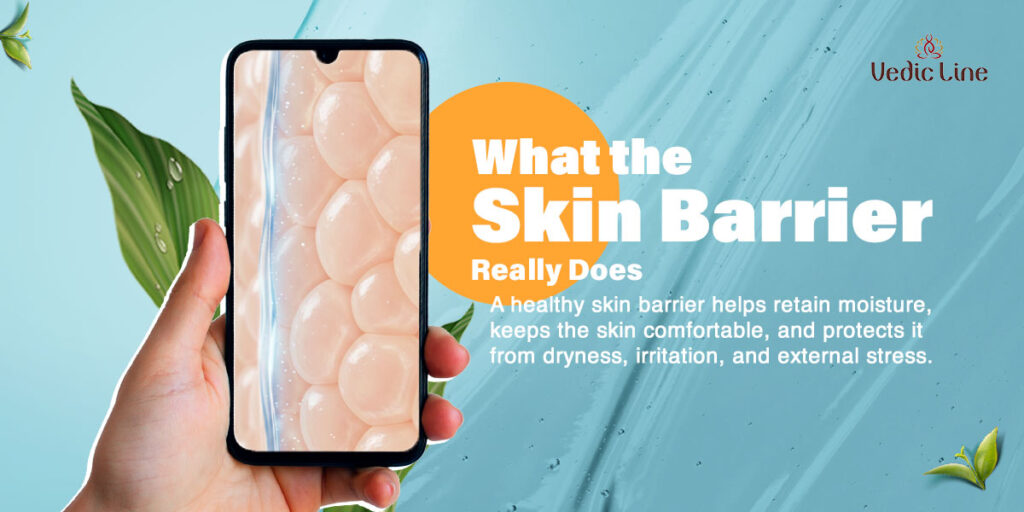
Scientists call the outermost layer of your skin the skin barrier, or more scientifically, the stratum corneum. It is important to view this as a brick wall, with skin cells representing the bricks and a combination of lipids (ceramides, cholesterol, and fatty acids) forming the mortar between the bricks. The “mortar” forms a moisture-retentive barrier and locks out environmental aggressors like pollution, bacteria, and ultraviolet rays.
Signs That Compromise Your Skin Barrier
First, it is necessary to be aware of barrier dysfunction to achieve healthy skin. The common signs include dryness or skin dehydration that remains unchanged even after applying moisturizer, increased stinging and skin sensitivity when applying products, increased flare-ups of skin eczema, rosacea, and psoriasis, dullness that does not respond to brightening solutions, a tight feeling after skin cleansing, and small breakouts in uncommon areas (McHugh 1).
Dermatologists refer to this as “leaky skin.”Moisture escapes, irritants enter, and the
The result is a cascade of skin concerns — dryness, redness, sensitivity, breakouts, and accelerated aging. All in all, this conclusion proves that a damaged skin barrier causes some of the skin troubles people deal with, and in an attempt to repair it, they spend thousands of dollars buying even more skin products.
Ironically, many of these symptoms crop up as a result of the very habits that we adopt to improve our skin — over-exfoliating, harsh cleansing, layering too many active ingredients, and no moisturizing. The skincare industry’s push for “more actives, faster results” has left a generation of people with sensitised, over-stripped skin.
Why Skin Barrier Health Is the New Glow Goal
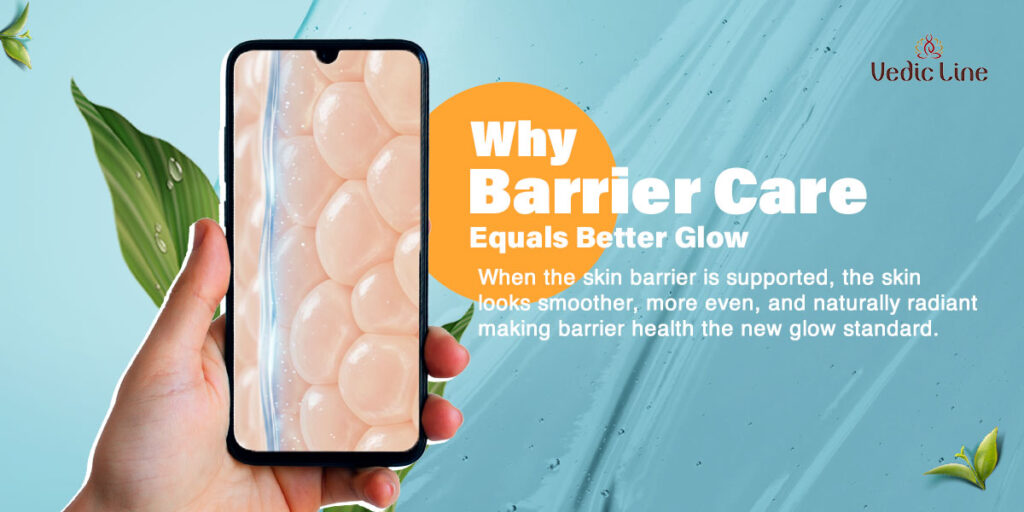
Dermatological science validates that the turn towards skin barrier-focused skincare is not just a trend. Research consistently proves that optimum skin-barrier functioning correlates with increased skin hydration and reduced inflammation. These are the dermal promises skin glow serums and exfoliating acids gave us, only achieved through different means.
Social media has also contributed to this. Viral skincare conversations around ‘skin cycling,’ ‘slugging,’ and ‘barrier repair’ have opened the eyes of millions to the idea that less can truly be more. Influencers and dermatologists alike are advocating for simplified, intentional routines against complex, product-heavy regimens.
So, what happened? A cultural pivot toward healthy skin instead of performative skincare. The result? A cultural pivot toward healthy skin over performative skincare.
Key Ingredients for Skin Barrier Repair
When choosing products to support and restore the skin barrier health, the ingredient list is important. Here are the science-backed ingredients that have propelled the barrier repair trend:
Ceramides: These lipid molecules form the backbone of a healthy barrier. Ceramide NP, AP, or EOP in moisturizers helps to directly replenish the natural lipid stores in the skin. Niacinamide: A vitamin B3 derivative that fortifies the skin barrier, curtails transepidermal water loss, and mitigates inflammatory skin responses.
Hyaluronic Acid: Another humectant that pulls moisture into the skin, maintaining plumpness and hydration – crucial for barrier function. Fatty Acids (Linoleic Acid, Oleic Acid): These nourishing oils strengthen the lipid matrix of the skin barrier, especially for dry and eczema-prone skin.
Panthenol (Vitamin B5):Researchers know that panthenol has soothing and moisture-retaining properties, which help accelerate barrier recovery after damage.
How to Build a Skin Barrier-Friendly Routine
A skincare routine that focuses on the skin barrier does not require you to ditch all actives and results-oriented products. It means being more tactical about using them.
Cleanse gently: Swap harsh, stripping cleansers for gentle, pH-balanced options. A good cleanser removes impurities without disrupting your skin’s natural oils.
Moisturize consistently: Apply a ceramide-rich moisturizer while your skin is still slightly damp to lock in hydration. Do not skip this step, even if you have oily skin.
Use actives strategically: Introduce exfoliating acids, retinol, and vitamin C gradually, as they are valuable. Try skin cycling — alternating between active nights and recovery nights to give your barrier time to recuperate.
Always wear SPF: UV exposure is one of the most significant contributors to barrier breakdown and premature aging. Broad-spectrum SPF 30 or higher every day is non-negotiable.
The Skin Microbiome Connection
Closely tied to skin barrier health is the concept of the skin microbiome — the vast ecosystem of bacteria, fungi, and other microorganisms that live on your skin’s surface. A balanced microbiome supports barrier integrity, while an imbalanced one (dysbiosis) links to conditions like acne, rosacea, and atopic dermatitis.
Probiotic and prebiotic skincare is the next frontier of barrier health. Products formulated with lactobacillus ferment or postbiotic ingredients aim to feed and protect the beneficial microbes on your skin, adding another layer of resilience to your skin’s defense system.
The Bottom Line: Healthy Skin Is the New Beautiful Skin
The beauty industry’s obsession with the glow was never wrong — it was just incomplete. True radiance is the natural byproduct of skin that is healthy, hydrated, and well-protected. As more people discover that barrier repair leads to the kind of plump, calm, luminous skin they have always wanted, the focus is shifting from covering up skin issues to actually healing them.
Whether you are dealing with sensitivity, dullness, breakouts, or dryness, the answer very often begins with one question: Is your skin barrier intact? If not, rebuilding it with the right approach, gentle cleansing, barrier-supporting ingredients, and a simplified routine, could be the transformation your skin has been waiting for.
Because when your foundation is strong, everything else falls beautifully into place.